

What Is a Strapping Machine? Types, Uses, and Benefits
In the world of logistics and packaging, ensuring that goods remain secure during transit is a top priority. Whether it's a small bundle of newspapers or a massive pallet of bricks, the integrity of the package depends on how well it is bound. This is where the strapping machine becomes an indispensable asset.
This guide explores what these machines are, how they function, and why they are a cornerstone of modern industrial efficiency.
1. Introduction to Strapping Machines
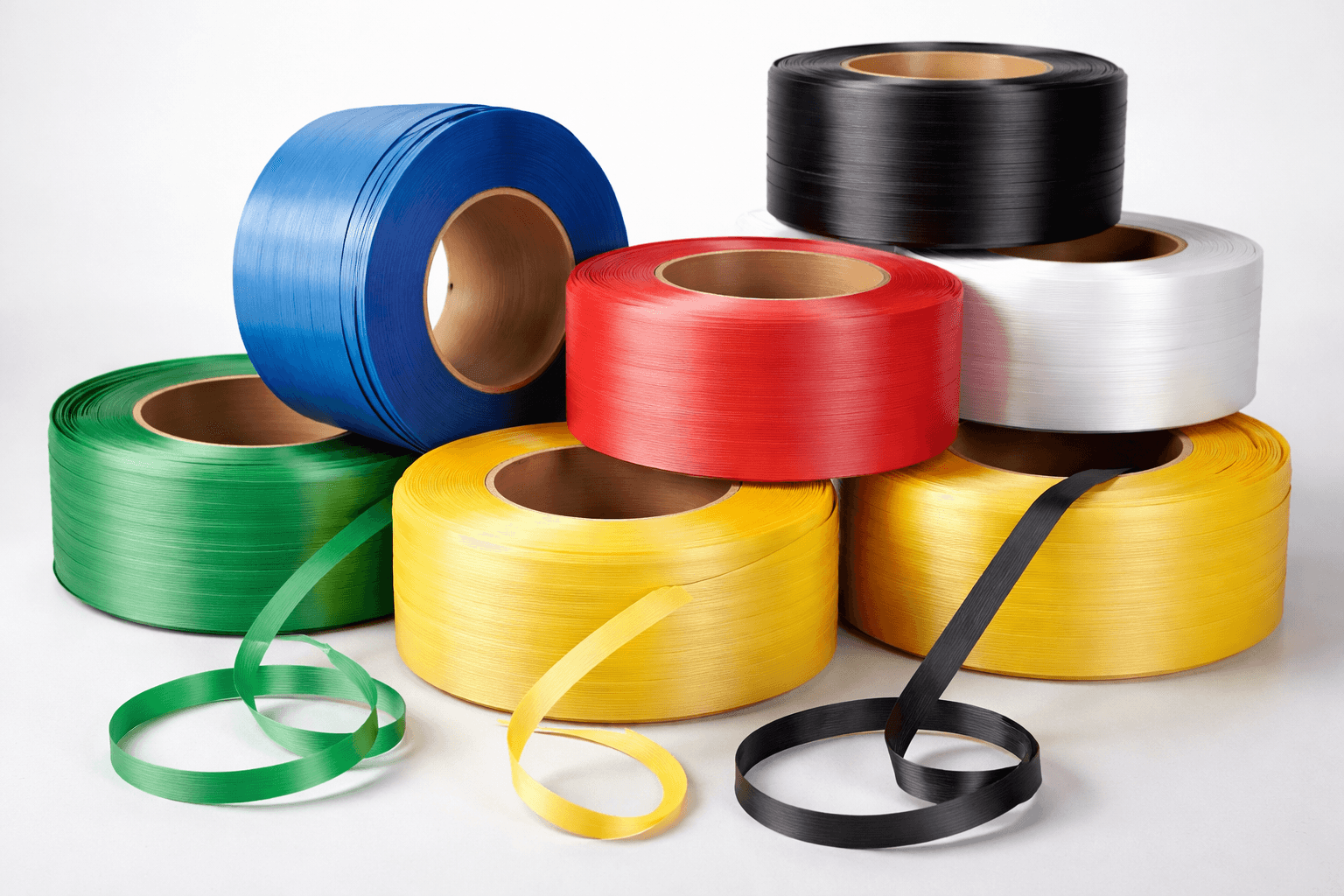
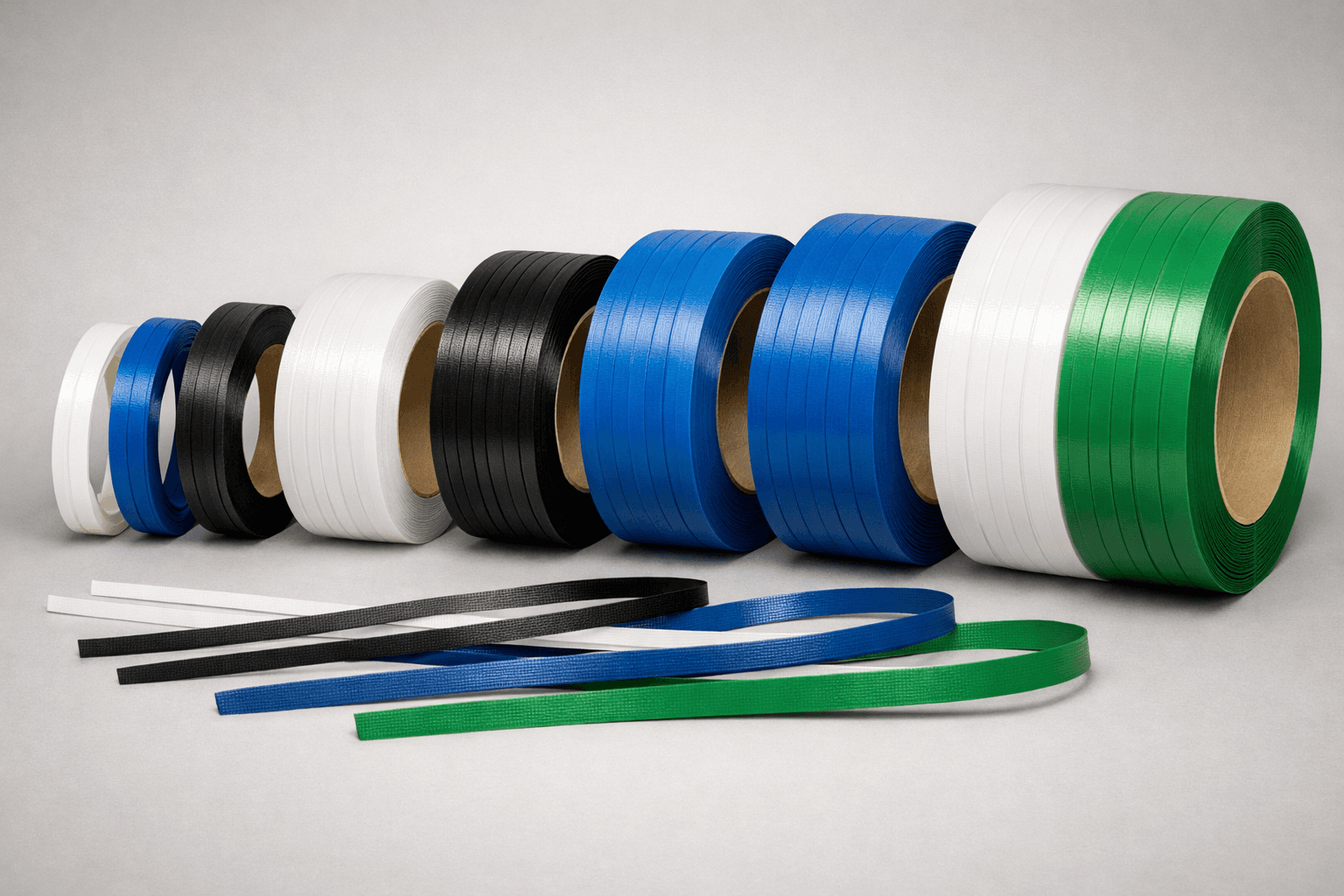
A strapping machine (also known as a bundling machine or banding machine) is a device used to apply a flexible strap—typically made of plastic (polypropylene or polyester) or steel—around an item or a group of items.
The primary goal is to bundle products together, reinforce cartons, or secure heavy loads to a pallet. By applying a specific amount of tension and sealing the strap, the machine ensures that the load remains stable, secure, and tamper-evident throughout the shipping process.
2. How Strapping Machines Work
While the level of automation varies, the core process of a strapping machine follows four basic steps:
Feeding
The machine feeds a length of strapping material around the package.
Tensioning
The machine pulls the strap tight around the item to a pre-set tension level.
Sealing
Once the desired tension is reached, the machine joins the two ends of the strap. This is usually done via heat welding, ultrasonic friction welding, or metal seals (for steel strapping).
Cutting
The excess strap is cut away, and the machine pre-feeds the next length of strap for the following cycle.
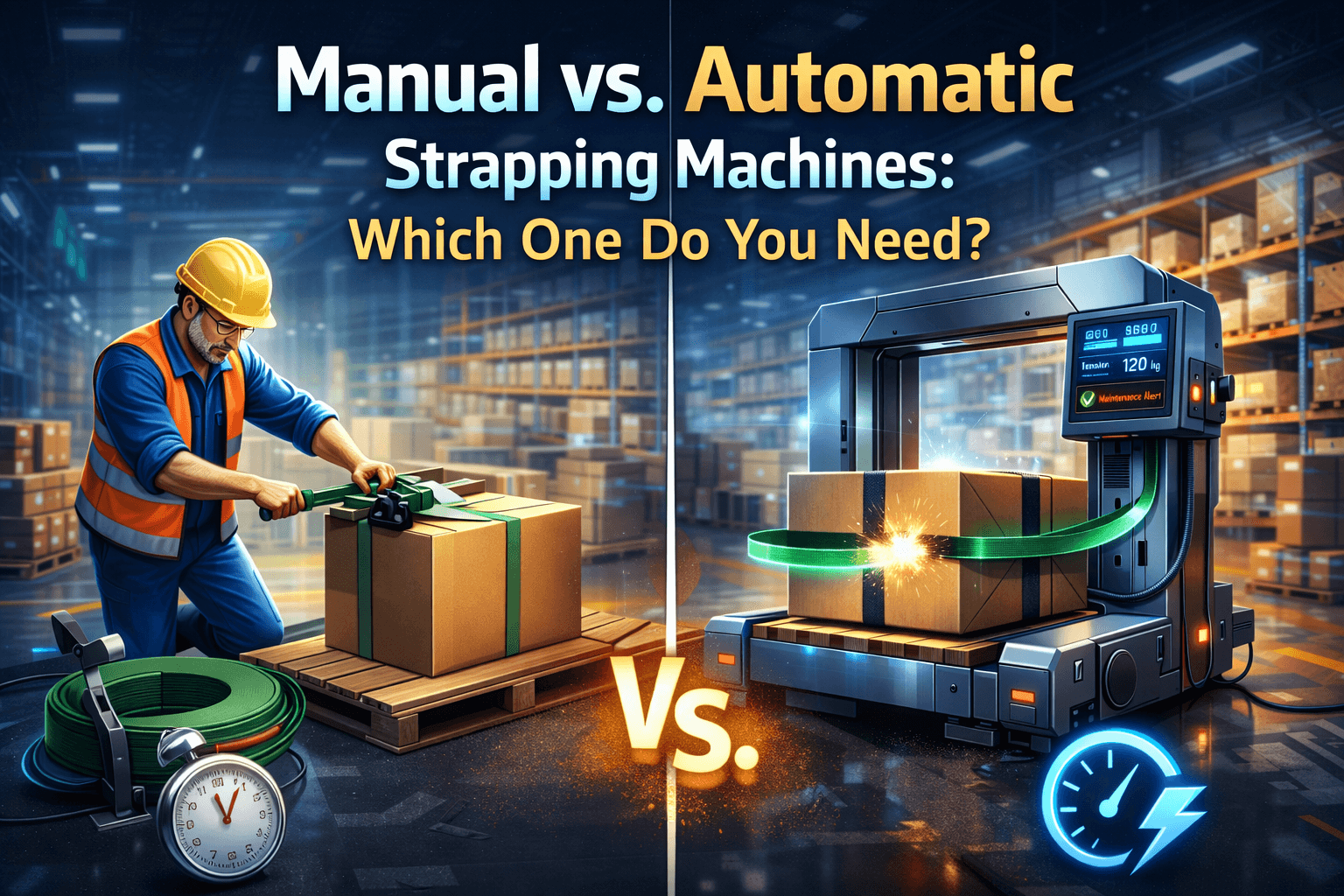
3. Manual vs. Semi-Automatic vs. Automatic Machines
Choosing the right machine depends heavily on your production volume and the size of the items being strapped.
Manual Strapping Tools
These are hand-held tensioners and sealers. They are ideal for low-volume operations or for strapping oversized items that cannot fit on a machine table. While affordable, they are labor-intensive and rely on the operator's strength for tension consistency.
Semi-Automatic Strapping Machines
In a semi-automatic setup, an operator places the package on the machine's table and manually loops the strap over the item into a sensor. The machine then takes over the tensioning, sealing, and cutting.
Best for: Moderate volumes and various package sizes.
Automatic and Fully Automatic Machines
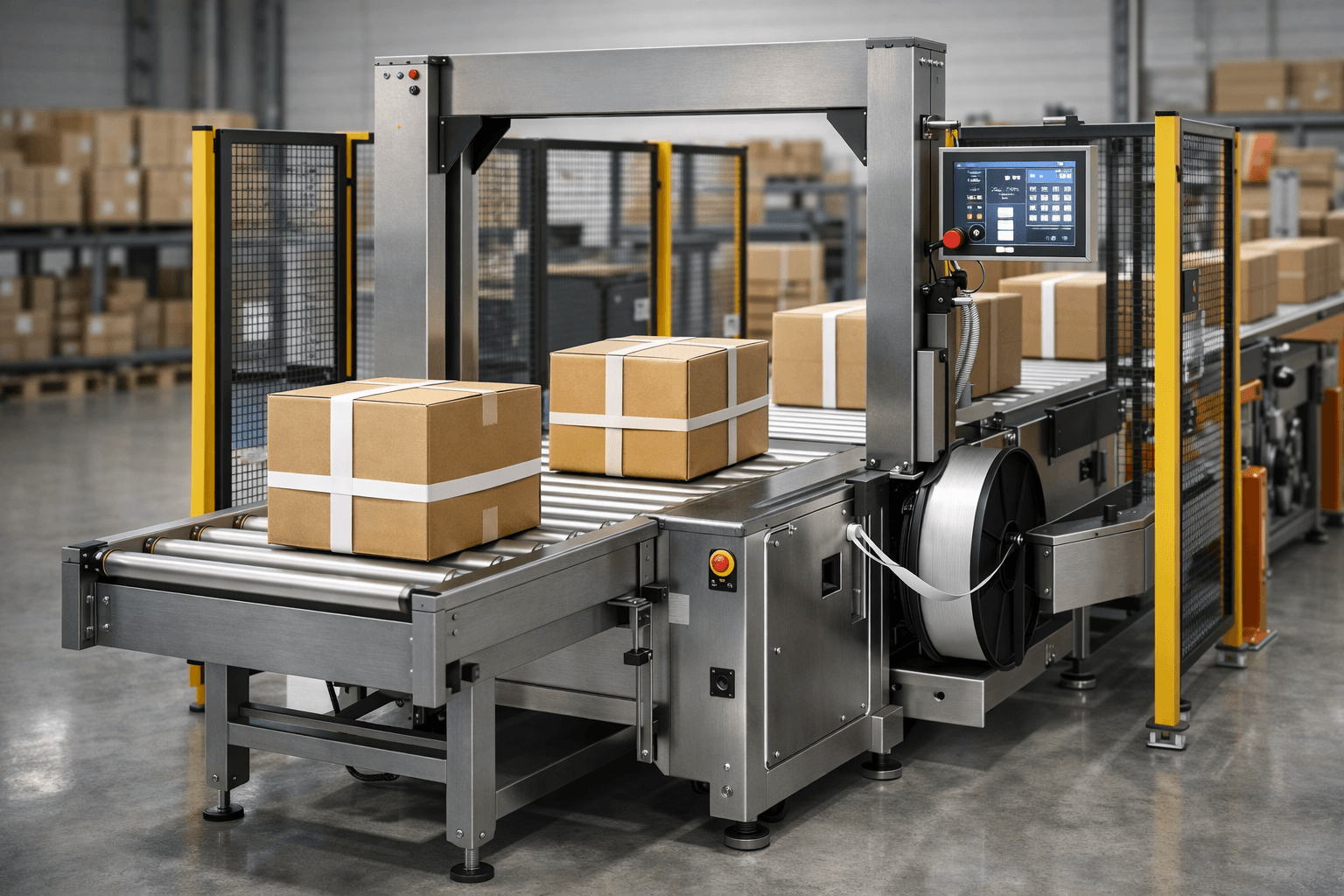
These machines feature an "arch" through which the package passes. In a fully automatic system, conveyor belts move the package into position, sensors trigger the strapping cycle without human intervention, and the package is moved along.
Best for: High-speed production lines and high-volume fulfillment centers.
4. Key Industries Using Strapping Machines
Strapping is a universal need, but certain industries rely on it more than others:
Logistics and Warehousing
Securing boxes to pallets for safe transport.
Construction
Binding heavy materials like timber, bricks, and metal pipes.
Food and Beverage
Bundling secondary packaging (like cases of water or canned goods).
Publishing
Bundling stacks of magazines and newspapers.
Agriculture
Securing crates of produce to prevent shifting during long-haul transit.
5. The Benefits: Why Invest in a Strapping Machine?
Enhanced Speed and Efficiency
Manual strapping is slow. Transitioning to even a semi-automatic machine can triple your packaging output, allowing your team to focus on higher-value tasks.
Improved Safety
Steel strapping can be sharp and dangerous to handle manually. Machines—especially those using plastic strapping—minimize the risk of cuts and repetitive strain injuries for workers.
Consistency and Reliability
A machine applies the exact same tension every single time. This eliminates the "loose strap" problem often found with manual application, ensuring that packages don't fall apart mid-transit.
Long-Term Cost Savings
By reducing labor hours and minimizing product damage caused by shifting loads, strapping machines pay for themselves quickly. Additionally, automated machines often use material more efficiently, reducing waste.
6. Conclusion
A strapping machine is more than just a piece of warehouse equipment; it is a critical component of a professional supply chain. By automating the bundling process, businesses can ensure their products arrive at their destination in perfect condition while significantly boosting their bottom-line efficiency.
Whether you are a small business looking to upgrade from hand-tools or a large manufacturer seeking full automation, there is a strapping solution designed to fit your scale.
Related pages
From this article: Semi-automatic strapping machine · Fully automatic strapping machine
Product catalogue · Services · Company profile · About us · Contact & quotes · All articles