

Sustainable Packaging: Are PET Straps Eco-Friendly?
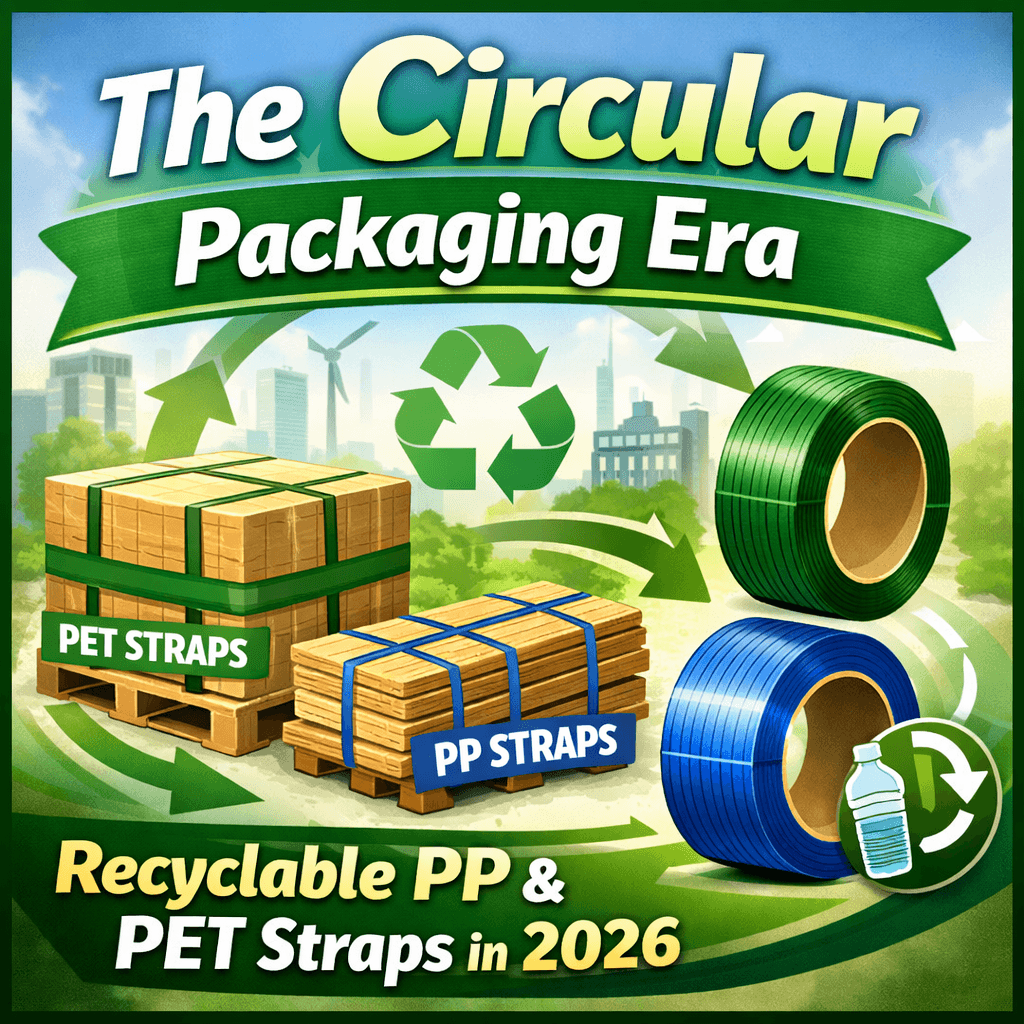
As global industries shift toward a circular economy, packaging materials are under intense scrutiny. While plastic often has a negative reputation in environmental circles, Polyester (PET) strapping has emerged as a surprising leader in industrial sustainability.
This guide explores the lifecycle of PET straps, their recyclability, and why they are often the most eco-friendly choice for heavy-duty load securing.
1. The Growing Demand for Sustainable Packaging
In modern logistics, "sustainability" isn't just a buzzword; it's a requirement driven by both consumer demand and strict government regulations regarding packaging waste. Businesses are now looking for materials that offer high performance without increasing their carbon footprint.
The challenge with strapping has historically been the trade-off between the strength of steel (which is energy-intensive to produce) and the convenience of plastic (which can lead to pollution). PET strapping bridges this gap by offering high tensile strength with a significantly lower environmental impact.
2. PET Strap Recyclability: A Circular Success Story
The primary reason PET straps are considered eco-friendly is their relationship with the recycling stream.
Made from Recycled Content
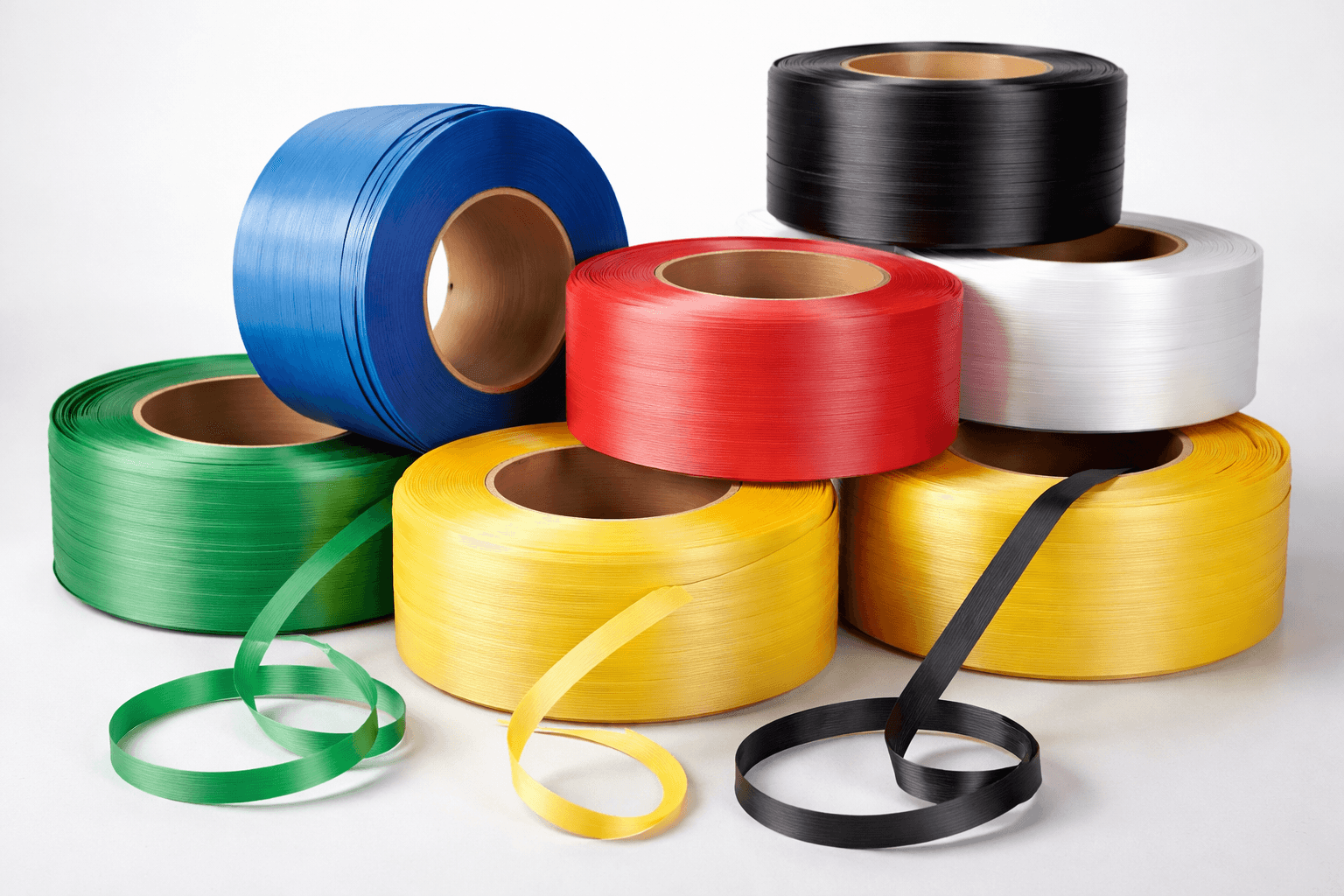
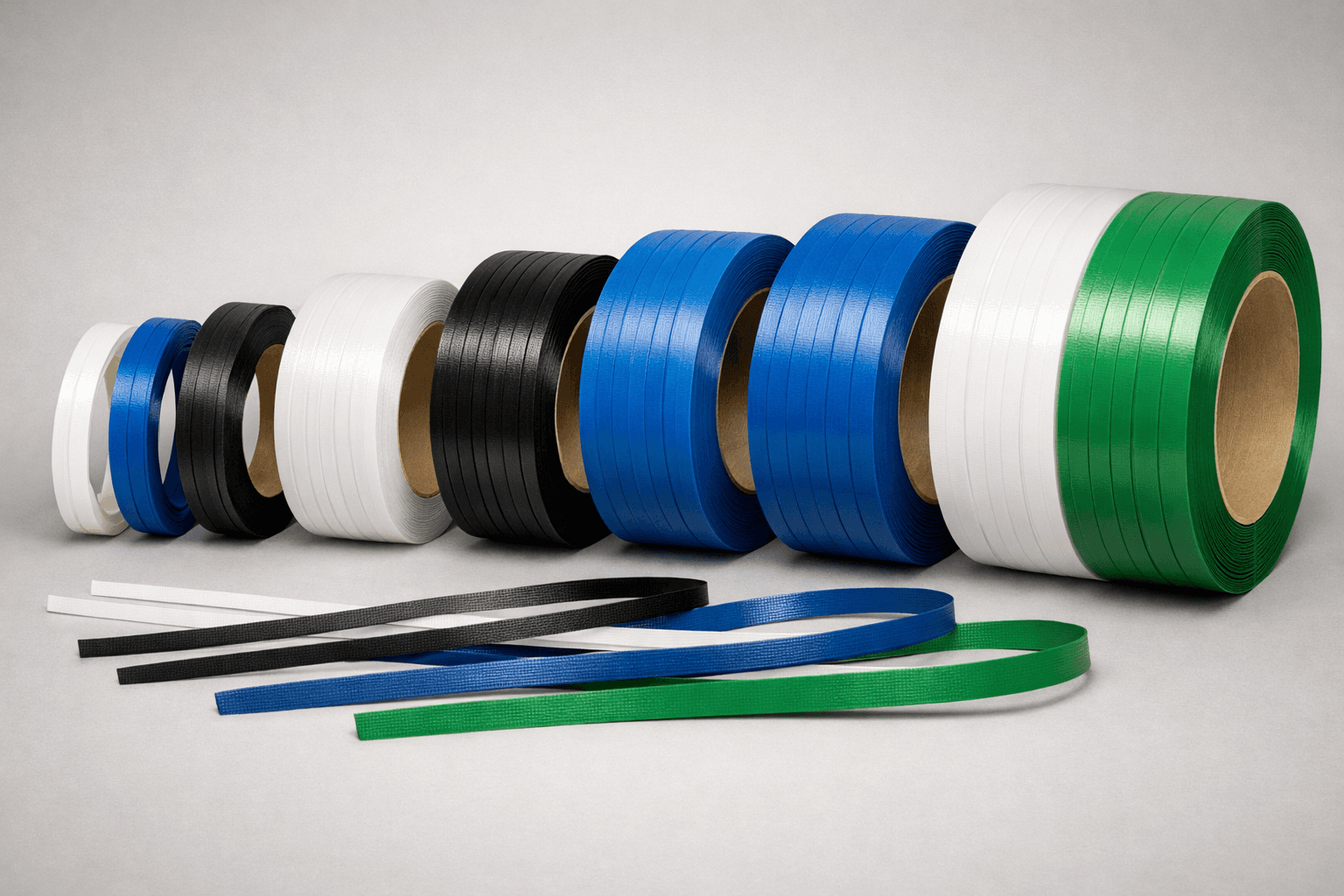
Most high-quality PET strapping is manufactured using 100% Post-Consumer Recycled (PCR) material. Specifically, it is made from recycled PET bottles (the kind used for water and soda).
The Recycling Loop
Unlike many other plastics that degrade quickly, PET can be recycled multiple times. Once a PET strap has reached the end of its life, it can be collected, shredded, and pelletized to create new strapping or other polyester products.
Reduced Waste
By utilizing the massive volume of plastic bottles that would otherwise end up in landfills or oceans, the PET strapping industry provides a critical "end-market" for recycling programs.
3. Comparison with Steel Straps
For decades, steel was the only option for heavy loads. However, from an environmental perspective, the comparison is stark:
| Impact Category | Steel Strapping | PET Strapping | |----------------|----------------|---------------| | Production Energy | Extremely High (Smelting) | Lower (Extrusion) | | Carbon Footprint | High CO2 emissions | Up to 75% lower than steel | | Weight | Very Heavy (Increases fuel use) | Lightweight (Reduces transport emissions) | | Recyclability | High, but energy-intensive | High and efficient | | Safety | High risk of "snap-back" injury | Low risk; easier to handle |
4. Key Environmental Benefits
Reduced Transportation Emissions
PET strapping is significantly lighter than steel. When shipping thousands of pallets annually, the reduction in total load weight translates to lower fuel consumption and reduced greenhouse gas emissions for the transport vehicles.
Lower Energy Requirements
The process of extruding recycled PET pellets into strapping requires far less energy than mining, refining, and smelting iron ore into steel.
"Synthetic Steel" Durability
Because PET maintains its tension better than other plastics (the "memory effect"), it prevents product damage. Reducing the number of damaged goods that need to be returned or discarded is, in itself, a major win for sustainability.
5. How Businesses Can Switch
Transitioning to a more sustainable strapping setup is a manageable process:
Conduct a Tension Audit
Work with a specialist to determine if your current steel applications can be safely replaced by high-strength PET.
Invest in Friction Weld Tools
Moving to PET often requires switching to battery-powered friction weld tools, which eliminate the need for metal seals (reducing material waste).
Implement a Closed-Loop System
Set up collection bins in your warehouse specifically for used PET straps. Many strapping manufacturers will actually buy back the used material to recycle it into new product.
Verify PCR Content
When purchasing, ask for certifications that prove the strap is made from 100% recycled material.
Conclusion
Are PET straps eco-friendly? Compared to the alternatives, the answer is a resounding yes. By turning a waste product (plastic bottles) into a high-performance industrial tool that is itself 100% recyclable, PET strapping represents one of the few areas where industrial packaging truly meets the goals of the circular economy. For businesses looking to go "green" without sacrificing load security, PET is the gold standard.
Related pages
From this article: Product catalogue
Product catalogue · Services · Company profile · About us · Contact & quotes · All articles